
Congested, Itchy, and Fatigued. Whether in bed, in the grocery store aisle, or at work, it seems endless. Most of us are prone to mistaking allergies for other personal symptoms. You imagine it’s the overarching work before the winter break, or maybe the sleep deprivation from running two jobs, or maybe that pesky neighbor is letting his dogs roam free again. We tend to believe allergies are dramatic and obvious, nowhere near the minor inconveniences we experience seasonally. For most of us, the answer is simple: ignore it. Eventually, it has to go away, right?
However, allergies aren’t always obvious; sometimes they’re sneaky and evasive, quietly wreaking havoc in your body and disrupting your daily life. Today, with allergies more prevalent than ever, we may not recognize the mayhem these silent ninjas are creating.
What are Allergies?
Allergies are the body’s immune system’s overreaction to substances that are usually harmless, such as pollen, dust, and mold. The immune system perceives these triggers as infectious bacteria, releasing inflammatory chemicals such as histamines, which cause blood vessels in the mucous membranes to swell and leak fluid. To put it simply: sneezing, itchy eyes, rashes, and fatigue.
Climate is a major contributor to seasonal allergies. Warmer temperatures during spring and summer can trigger allergic reactions to increased pollen production by flowers. Intense rainfall can lead to indoor air quality problems, triggering mold growth and dust mites. Winter seasons can create opportunities for cold-air irritation and exposure to indoor allergens. As a result of these climatic oscillations, allergies can become a nightmare for those with more sensitive immune systems and detrimental to health and well-being. Allergies aren’t just “allergies”, but important parameters to control, maintain, and limit for a more comfortable life.
Climatic Changes: How Each Season Presents New Challenges in Franklin
Franklin, Tennessee, is known for its humidity and subtropical climate. With dense vegetation such as ragweed, grasses, and trees, seasonal variations can make dealing with allergens frustrating. With an average of ~53 inches of rain per year compared to the US average of ~38 inches, short rainfall can create a breeding ground for spreading pollen. Shorter winters mean pollination periods are longer, enabling pollen to spread with ease. Therefore, it is necessary to take proper procedures to protect against these seasonal allergens.
Spring: Spring is dominated by tree pollen, as trees begin releasing it when temperatures start to climb in the early spring months. Wind carries these pollens across towns, infiltrating parks, yards, indoor spaces, and more. The diversity of trees in Franklin, TN, results in significant overlap in pollination periods. Combined with the subtropical climate, the result is an endless pollinating period that seems never to end.
- Tree Pollen: A fine green-yellow powder released by trees as part of a reproductive process. It is carried by wind to carry the genetic material needed to fertilize female trees.
- Symptoms: Sneezing, Watery Eyes, Nasal Congestion, Fatigue, Coughing, Irritated Throat.
- Treatment: Limit outdoor use on windy days, as they are especially prone to spreading tree pollen throughout the area. Keep your windows closed to prevent pollen from entering your home, and use indoor air filters to prevent it from circulating.
Summer: Once Tree Pollen ends, Grass Pollen takes over. Grass Pollen is dominant and comes from lawns, athletic fields, pastures, and roadside fields, and it travels on dry, sunny days. Higher rainfall during summer months can directly nourish grass and encourage growth. The extreme heat afterward creates ideal breeding grounds for mold colonies. As temperatures cool again, these mold spores are released into the air, spreading more allergens.
- Grass Pollen: A microscopic powder produced by grasses to facilitate reproduction. It is most easily spread in humid, hot, and brief rainy environments.
- Symptoms: Sneezing, Shortness of Breath, Nasal Congestion, Swollen Eyes.
- Treatment: Limit outdoor activity; if possible, avoid mowing lawns and fresh grass; keep windows closed during pollenating hours (morning); and use a dehumidifier to keep indoor humidity down to discourage the growth of mold spores.
Fall: As the hot, humid, and rain-ridden seasons of summer end, the fall ragweed season ramps up. Ragweed is prevalent in Tennessee, originating from roadside weeds, agricultural fields, vacant lots, and lawns, among other various origins. The suburban development of Franklin is the perfect breeding ground for ragweed, allowing it to spread from rural surroundings into dense city areas.
- Ragweed Pollen: Ambrosia genus, the most common ragweed in Tennessee, produces billions of pollen grains in a single season. The lightweight nature of these grains means they can travel many miles in the wind. Furthermore, ragweed is extremely widespread: in parks, fields, yards, roadsides, and more, it is nearly impossible to avoid.
- Symptoms: Tired, Disrupted Sleep, Moody and Irritable, Swollen Eyes, Sneezing, Itchiness.
- Treatment: Avoid raking leaves and ragweed patches, use air filters indoors to reduce allergens, and keep windows closed.
Winter: a break from the constant pollination of trees, grass, and ragweed. Pollinating plants are dormant during colder temperatures, while pollen is inactivated by frost. With a lack of moisture, humidity, and warm temperatures, pollen season enters hibernation. During these months, most extreme allergens usually originate from indoors.
- Dust Mites: Dust Mites can accumulate in heated homes, where they find shelter from colder temperatures outdoors. They feed on dead skin flakes, releasing tiny particles when they die. With closed windows and heaters on full blast, these microscopic creatures thrive.
- Symptoms: Wheezing, Asthma, Sneezing, Coughing, Congestion.
- Treatment: Vacuum and wash clothing, bedding, and carpets frequently. Keep dehumidifiers on to prevent moisture buildup, and open windows to improve airflow.
Keeping Allergies Out: A Long-Term Solution
Allergens are unwilling companions who accompany us through the changing seasons. From tree pollen to dust mites in the winter, dealing with these static elements can be an annoyance. Nevertheless, the key to staying comfortable is awareness: knowing the triggers of seasonal allergens, reducing personal exposure, and using appropriate medication when symptoms arise.
There is no need to avoid the joys of outdoor walks during springtime when the flowers are blooming, the sunbathing experience of summer holidays, or indoor warmth a fireplace during snowy mornings. Understanding and protecting against allergens is a way for Franklin residents to enjoy, not avoid, the beauty of nature.
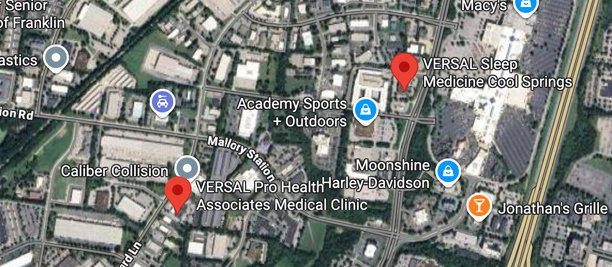
Primary Care in Franklin, TN — Schedule an Appt
At Versal Pro Health, we are committed to supporting you. We proudly serve patients in Franklin, Brentwood, Nashville, Cool Springs, Spring Hill, and surrounding communities across Middle Tennessee.
Contact Versal Pro Health in Franklin, TN, to schedule a primary care appointment. Our compassionate care team is here to help you feel better.
Sources:
Penn Medicine: Allergies (https://www.pennmedicine.org/conditions/allergies)
CDC: Allergens and Pollen (https://www.cdc.gov/climate-health/php/effects/allergens-and-pollen.html)
BestPlaces: Franklin, TN Climate (https://www.bestplaces.net/climate/city/tennessee/franklin)
Pollen Library (https://www.pollenlibrary.com/Local/Allergens/in/Franklin%20County/TN/)
Biology Insights: When is Allergy Season in Tennessee? (https://biologyinsights.com/when-is-allergy-season-in-tennessee/)
Weather: How Rain Can Make Your Allergies Worse (https://weather.com/health/allergy/news/2022-03-31-how-rain-can-make-your-allergies-worse)
AAFA: Grass Pollen Allergy (https://aafa.org/allergies/types-of-allergies/pollen-allergy/grass-pollen-allergy/)
AAFA: Ragweed Pollen Allergy (https://aafa.org/allergies/types-of-allergies/pollen-allergy/ragweed-pollen/)
Cleveland Clinic: Dust Mite Allergy (https://my.clevelandclinic.org/health/diseases/17712-dust-mite-allergy)